Wayne Young shares his father’s photographic legacy c.1958 – 1961
Posted 12 Oct, 2026
In September, Jodrell Bank put out a call on social media inviting people to share their images of the site. Wayne Young got in touch and generously opened up a treasure trove of photographs taken by his father during his time at Jodrell Bank from 1958 to 1961. This is his story.
“Back in July 1958, the world was a very different place than today. Though World War II had ended over a decade ago, food rationing had only finished four years earlier, and much of Europe was still recovering. The Cold War with the Soviet Union was in full swing. Despite this, there was a mood of optimism. Ironically, the war had supercharged advances in science and engineering as part of the war effort, and the fields of astronomy and space exploration were hot areas of research and development. The year before, the Soviets had launched “Sputnik 1”, the world’s first artificial satellite, shortly followed by “Sputnik 2”. Embarrassed by being beaten into second place, the Americans redoubled their efforts and launched their first satellite “Explorer 1”, in February 1958. By the summer of that year, they planned to launch a probe to the Moon, but they lacked a means of tracking the probe.”
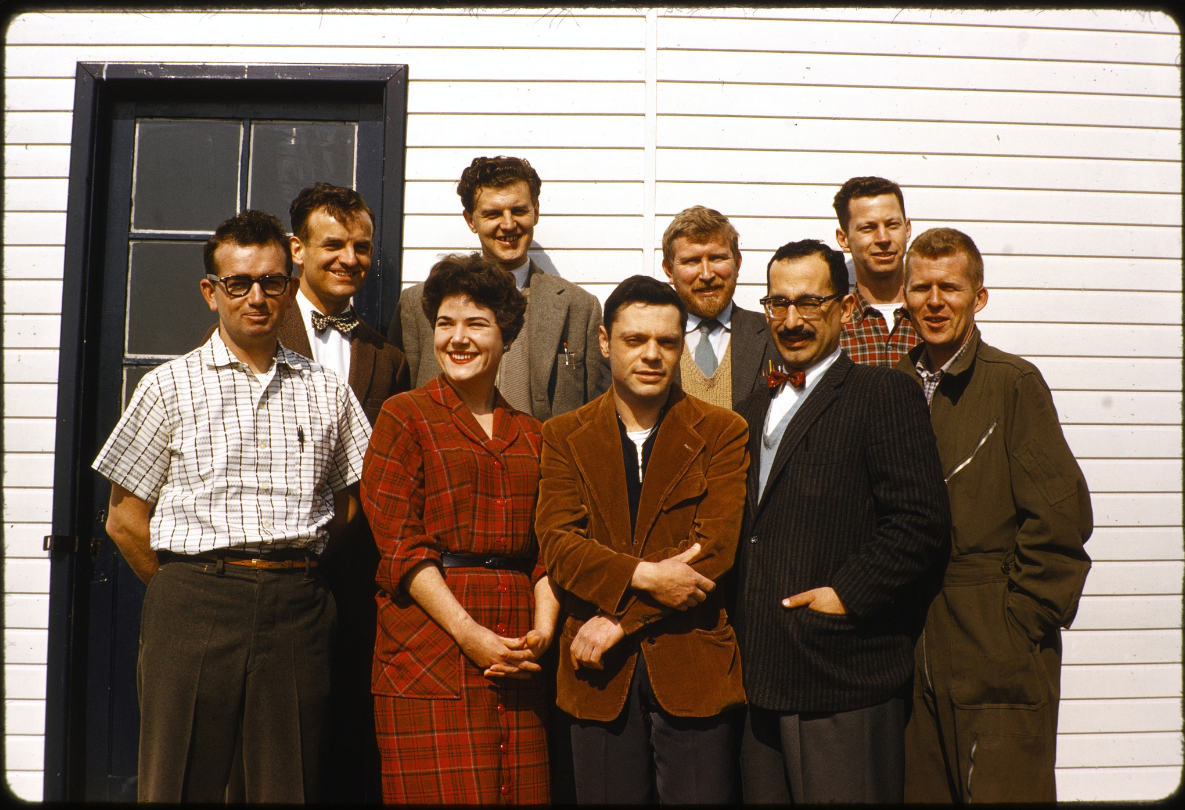
image Space Technology Labs Crew at Jodrell Bank © Wayne/William Young Left to right: Jack (surname unknown), William Young, Marjorie MacKay (Jodrell coordinator), Ron (surname unknown), Hank (surname unknown), Alan Merril (US team member), Mike Galanos (US team member), Frank Kelly (US team member), Tom Guerin (US team member)
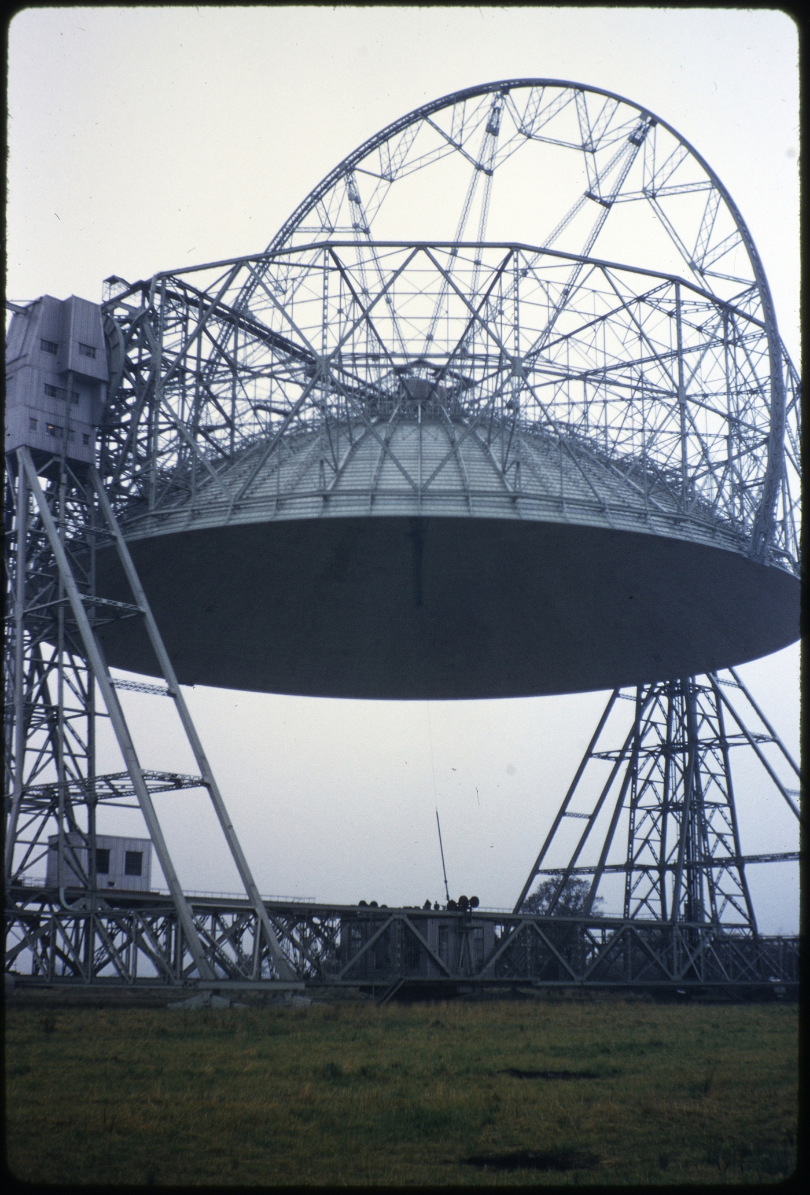
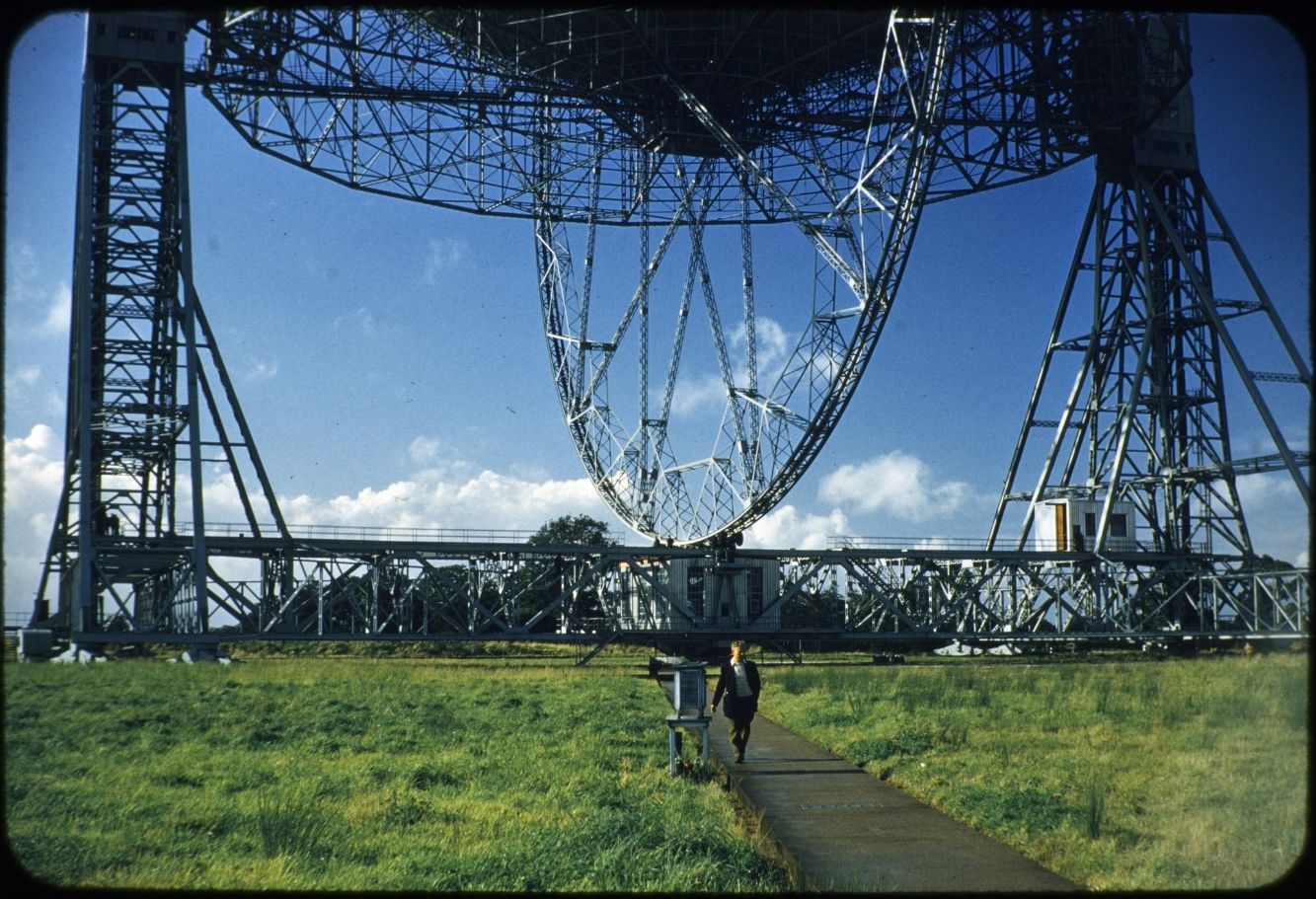
“At that time, the newly constructed radio telescope at Jodrell Bank was the largest steerable dish in the world, and the only one capable of tracking probes from such a distance. This led to a collaboration between a small team of American engineers, led by my father William “Bill” Young, and the staff at what was then called the “Jodrell Bank Experimental Station”, run by Sir Bernard Lovell.”
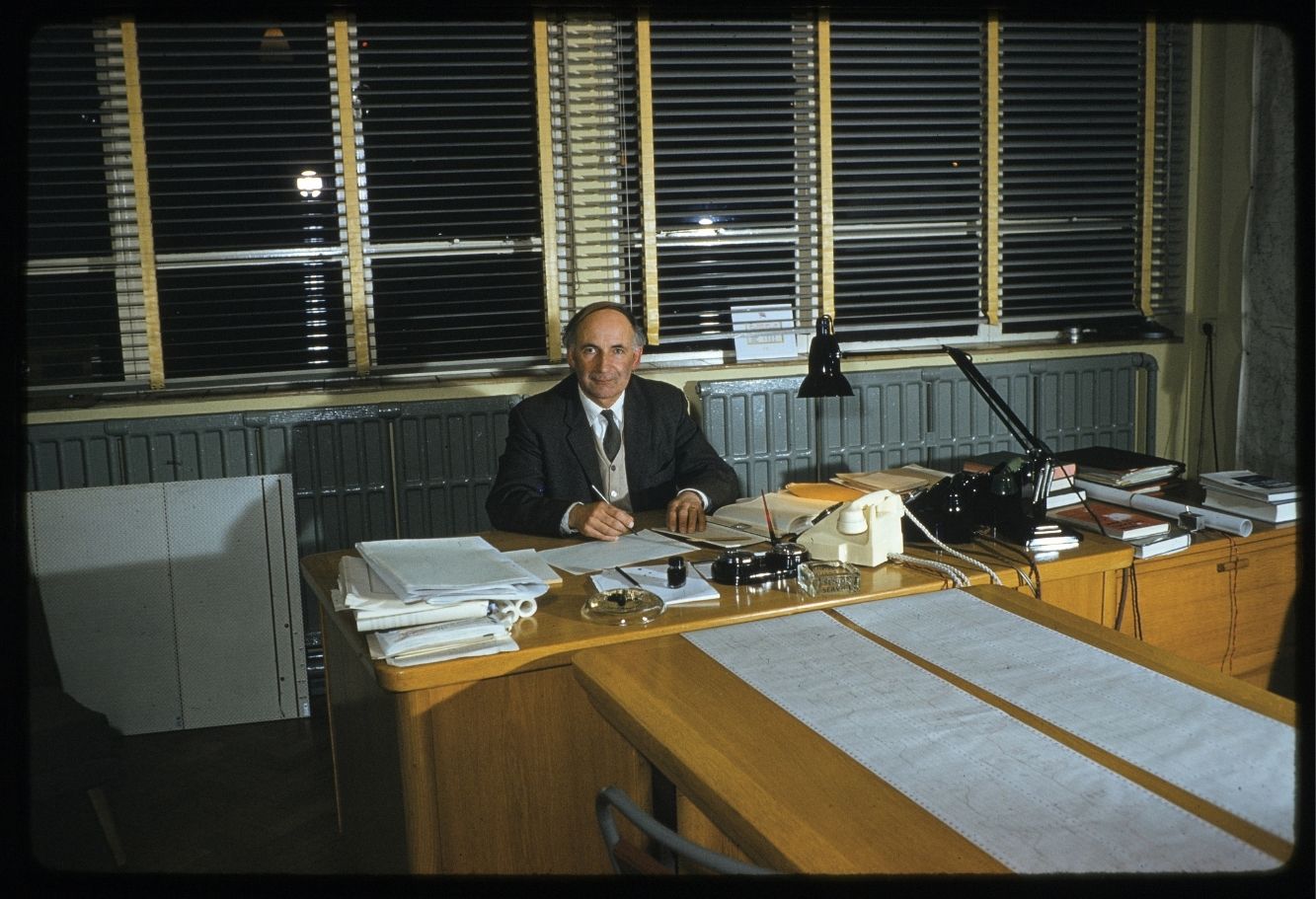
image Sir Bernard Lovell in his office at the Jodrell Bank Observatory, 1959 © William/Wayne Young
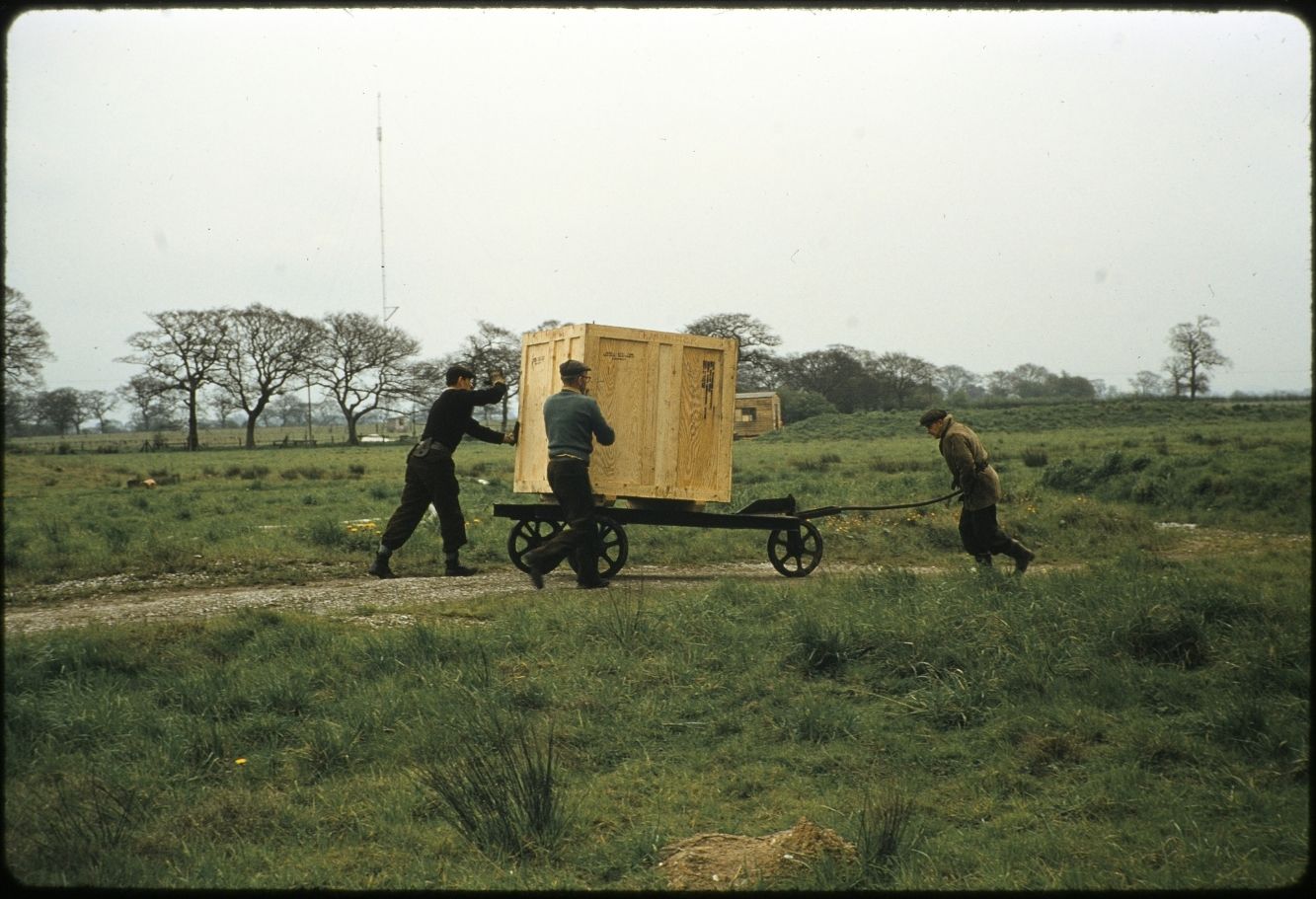
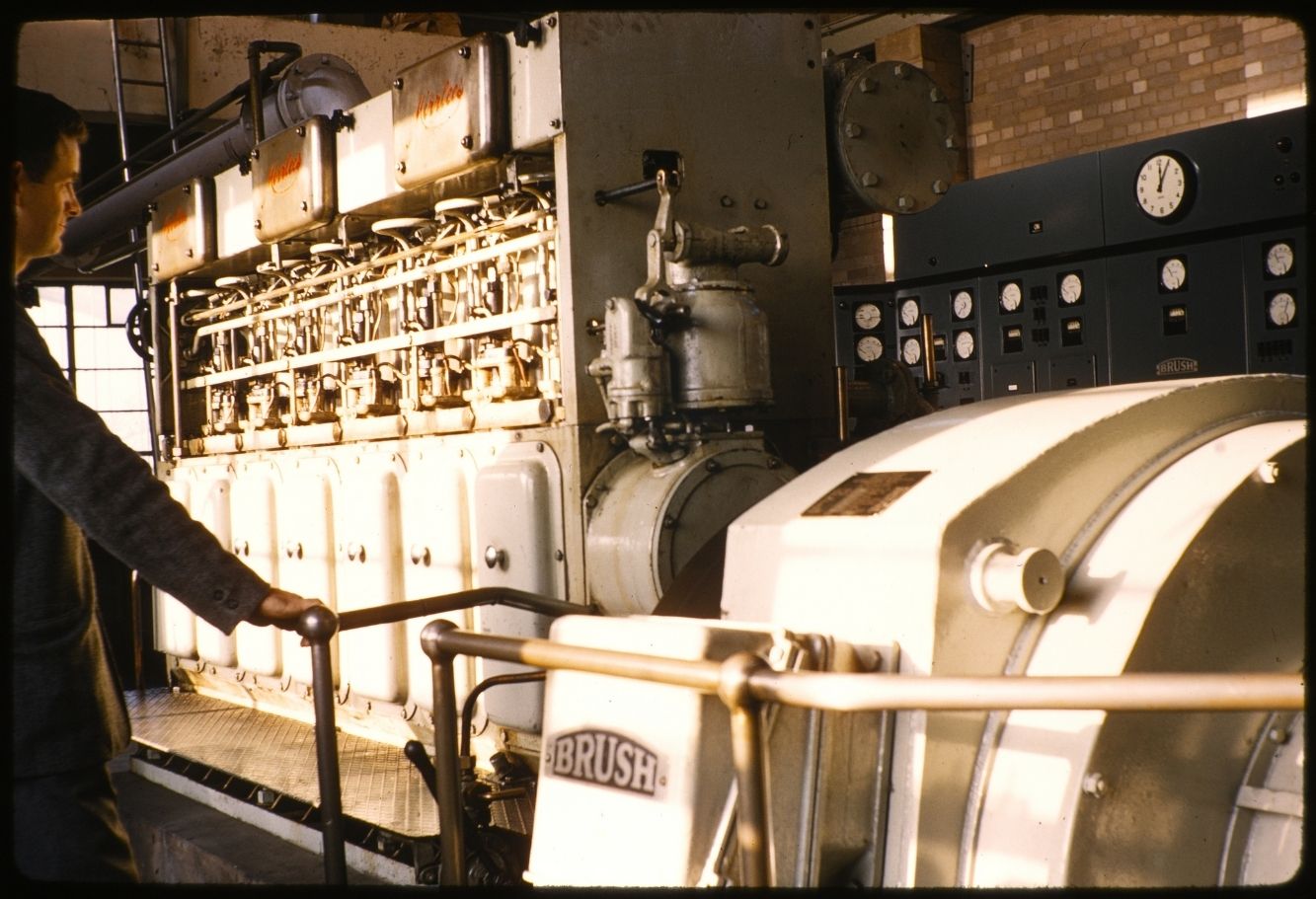
“The photographs you see here are some of the many my father took during his time at Jodrell Bank. Although the team was employed by Space Technology Laboratories, the US Air Force supplied much of the equipment, including the trailer which was parked outside the main control building at Jodrell Bank.”
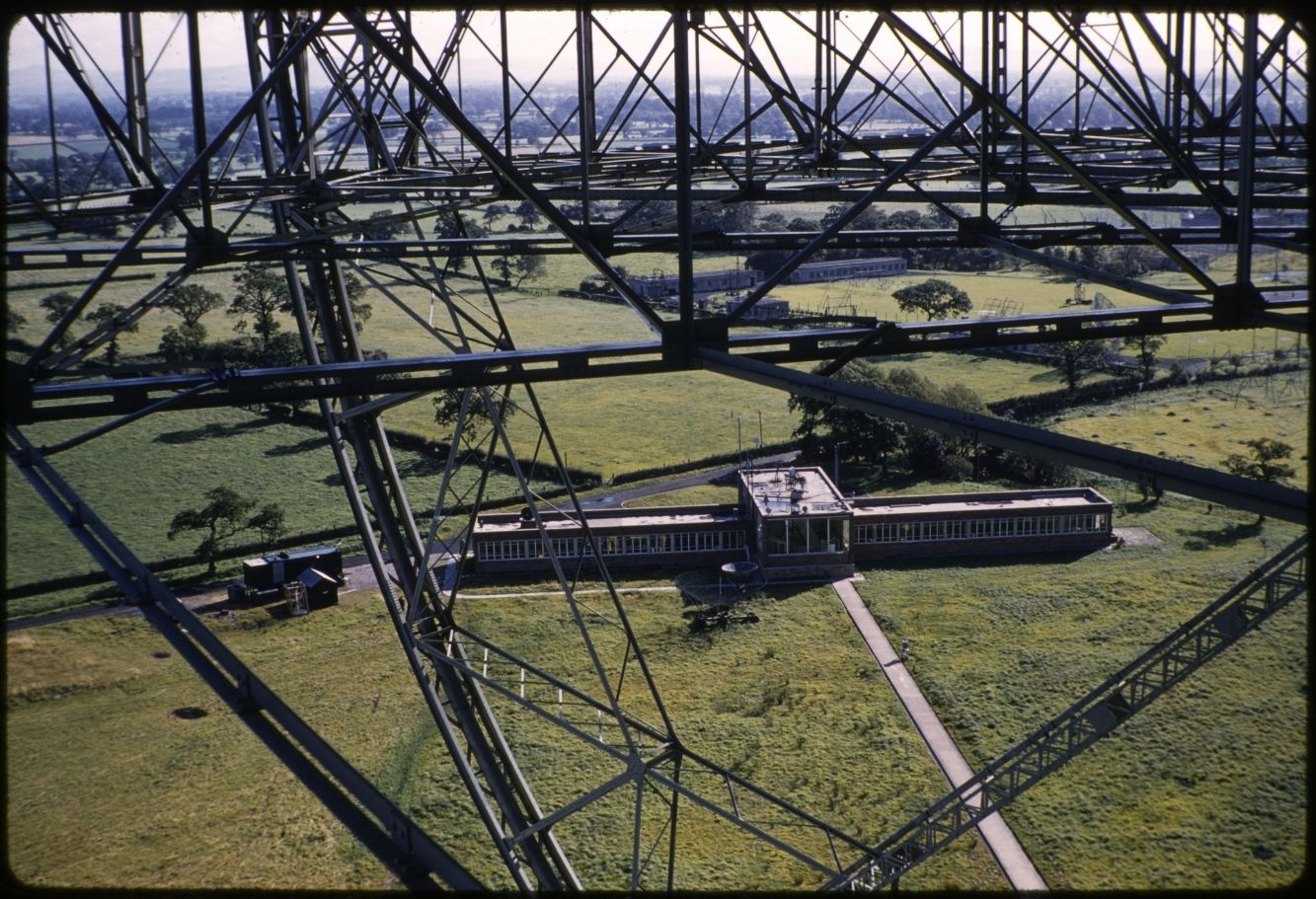
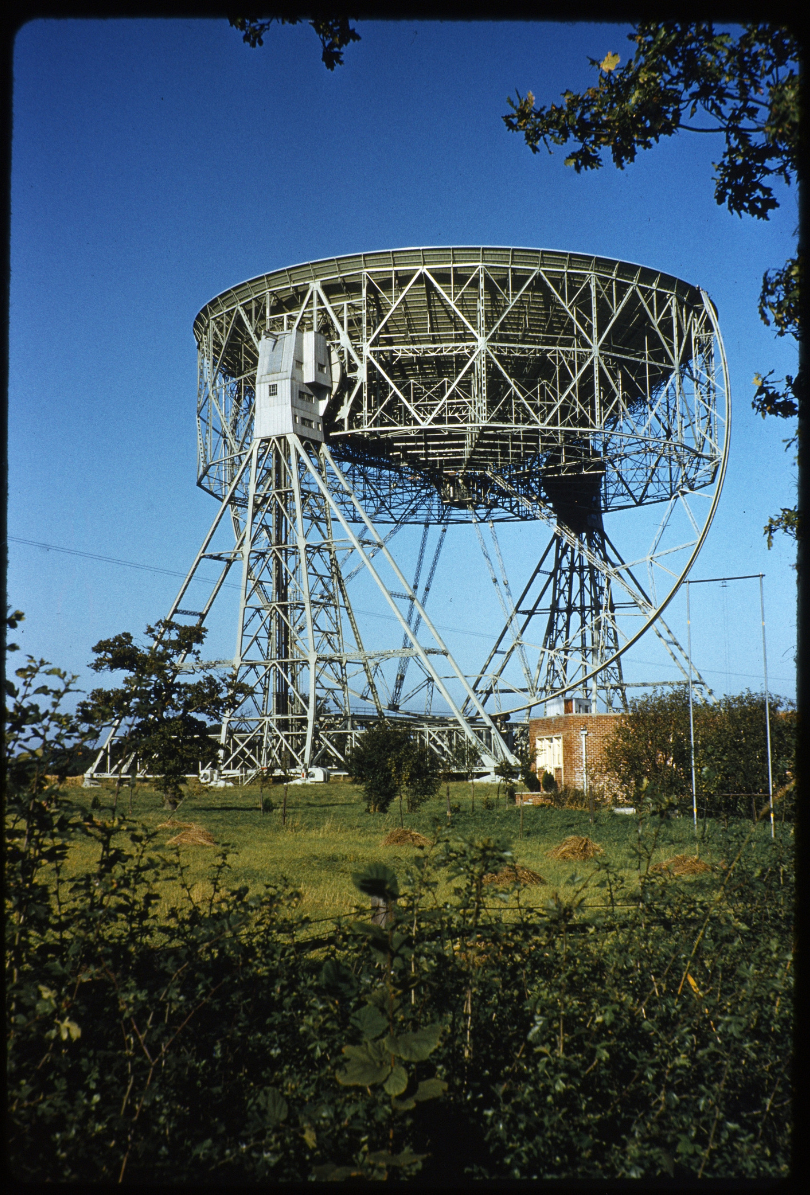
image The Jodrell Bank Observatory as seen from the Lovell Telescope, 1958-1961 © William/Wayne Young
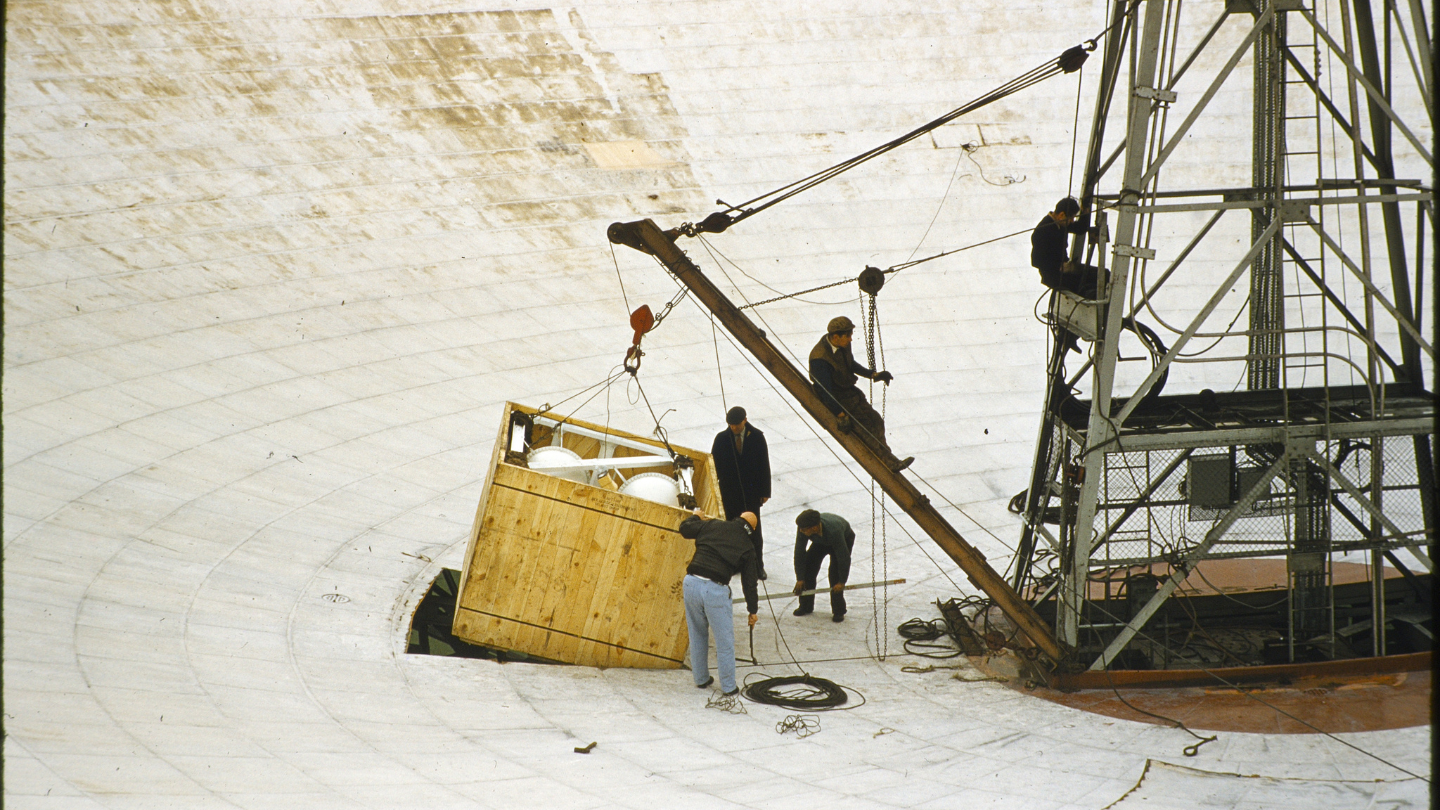
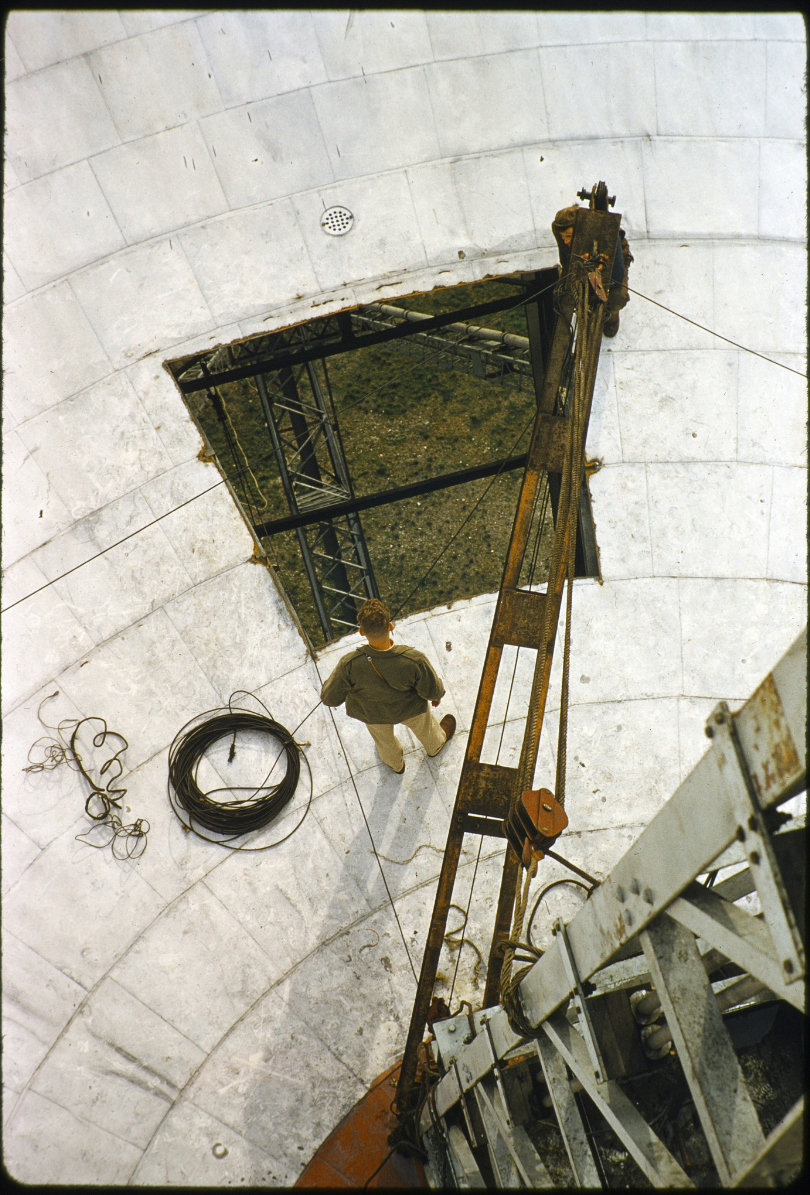
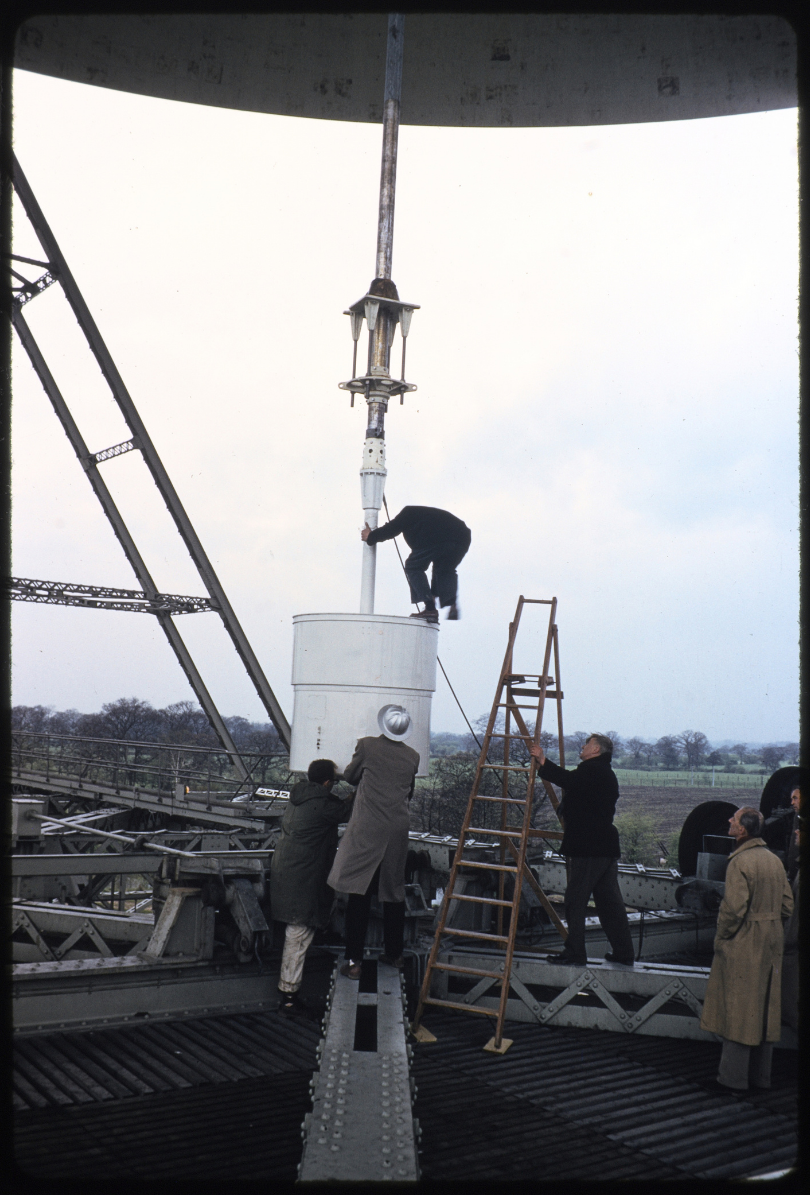
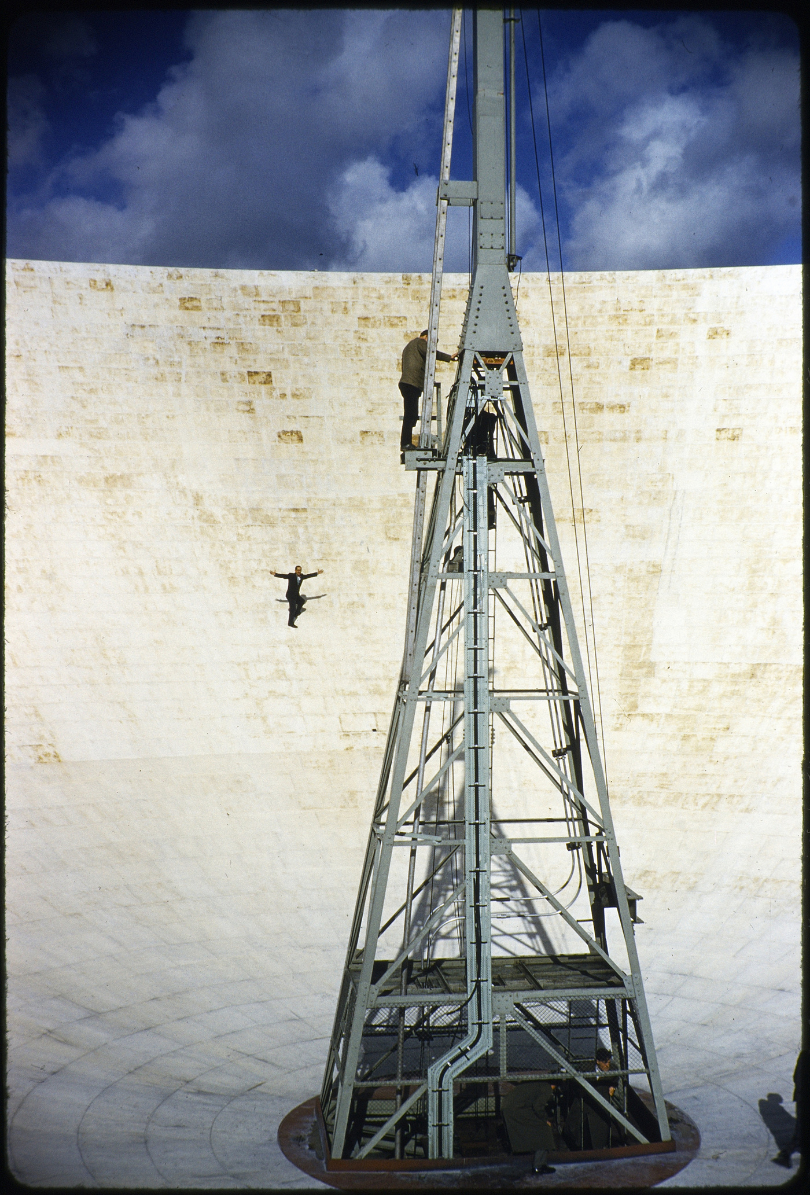
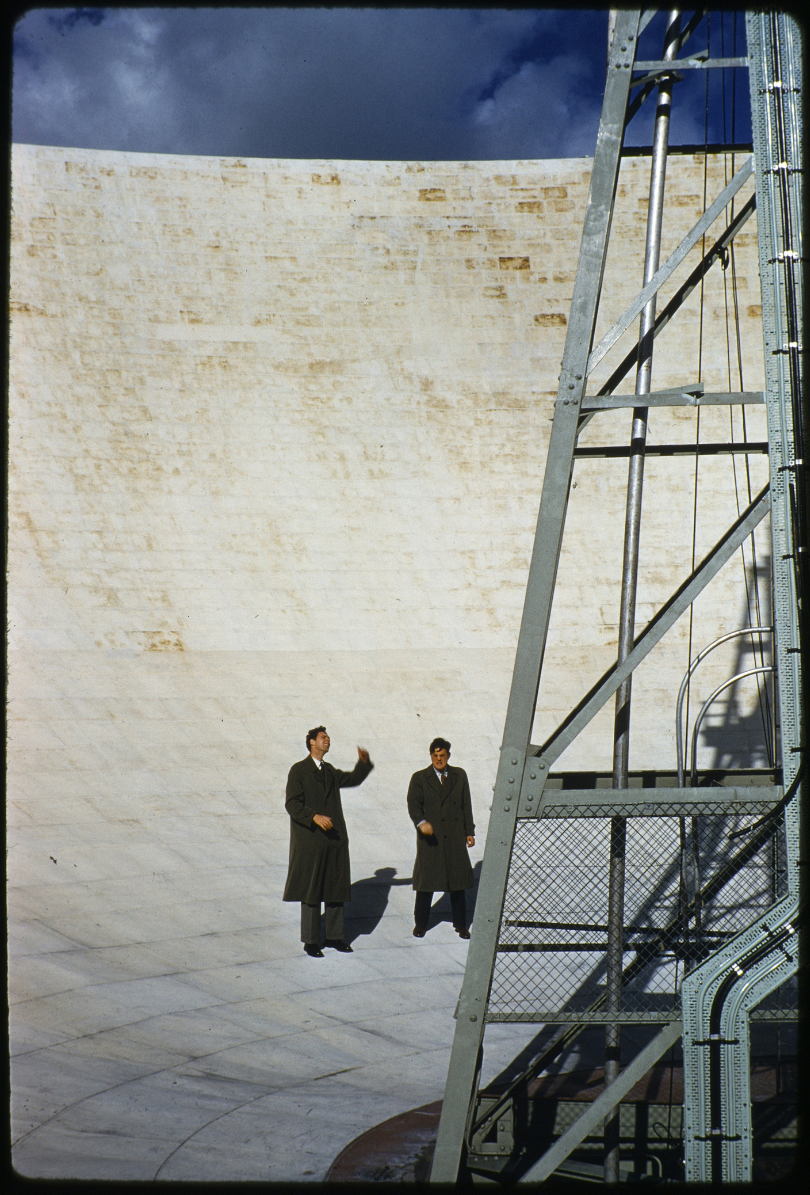
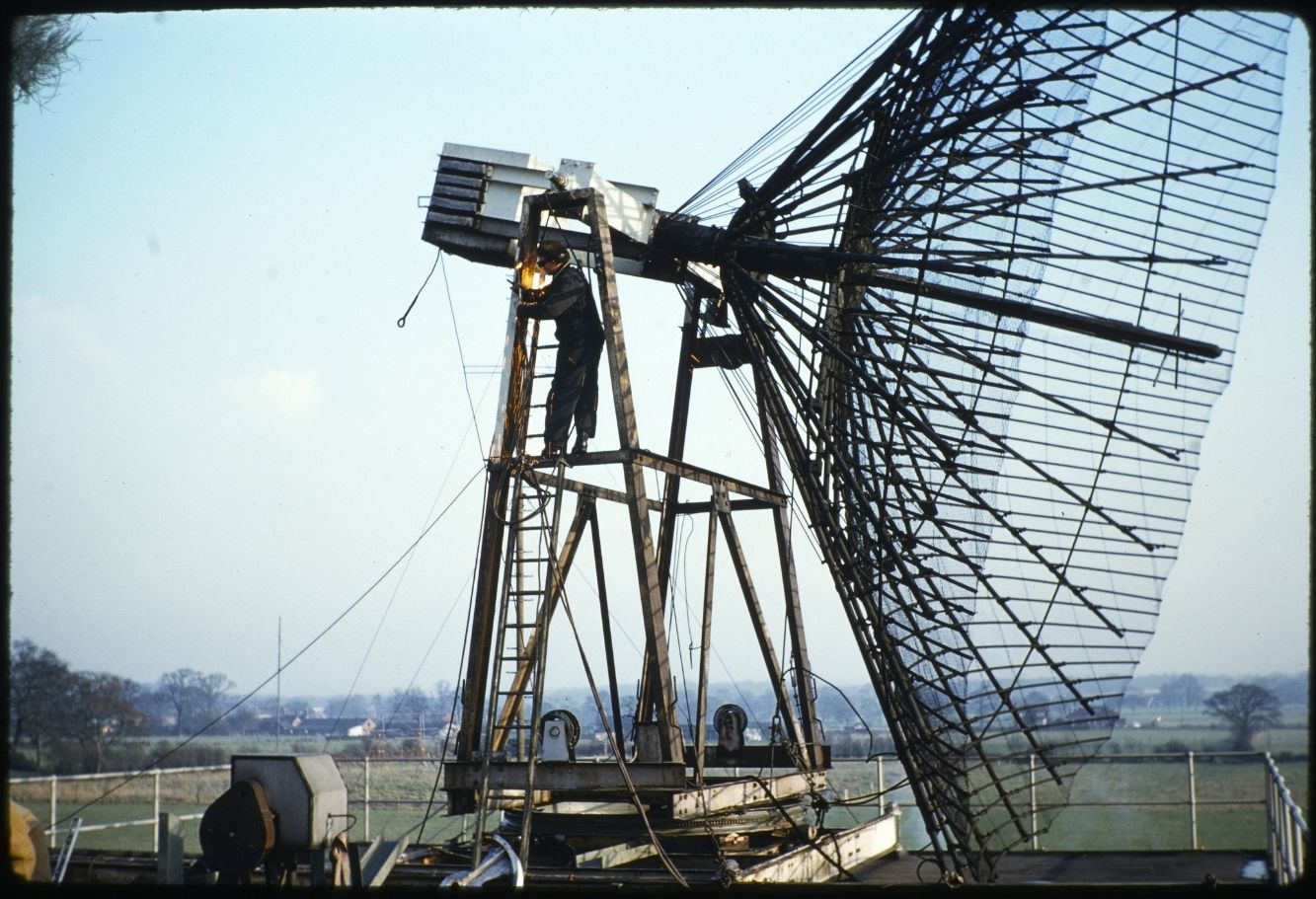
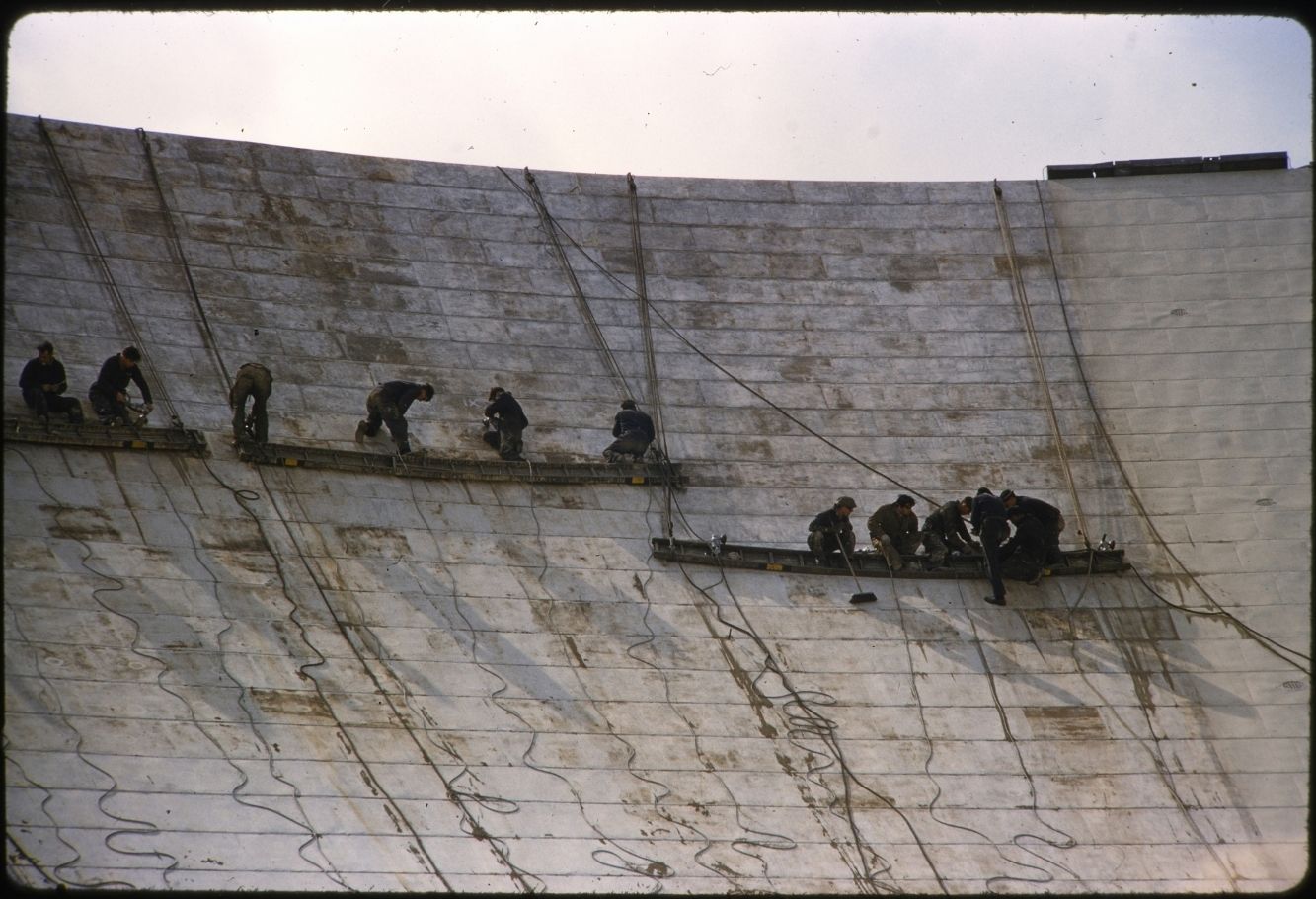
“Some of that equipment, such as the radio transmitter, can be seen in the photographs being installed in the dish. As can be seen, there was no consideration for the health and safety of the workers! The installation of the equipment also involved the inversion of the dish; an operation which is impossible to achieve today due to modifications made to the dish in following decades.”
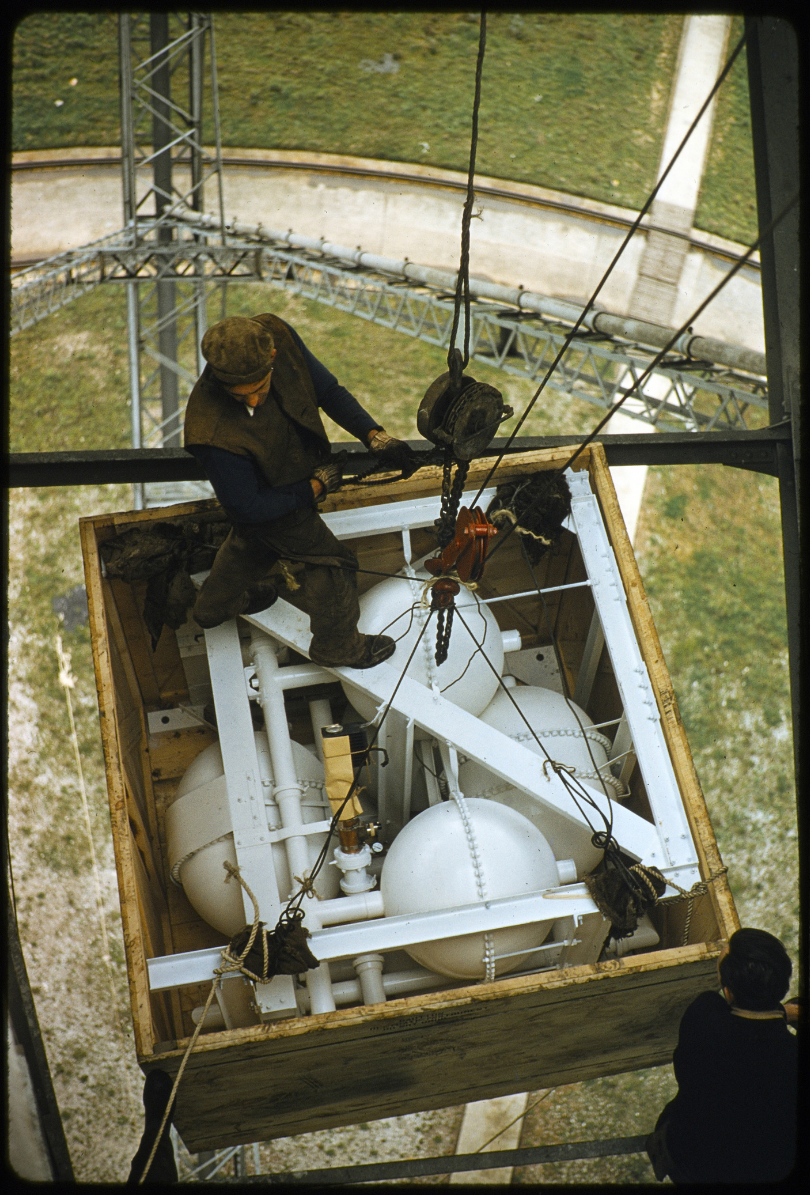
image A worker suspended from the Lovell Telescope, 1958 – 1961 © William/Wayne Young
“During the next two years, Bill oversaw communications with several of the US “Pioneer” space probes that attempted to orbit the Moon, or travel to the planet Venus. Pioneer V was particularly notable due a visit by Princess Margaret to Jodrell Bank. In March 1960, during a royal visit to the station, it was suggested that the princess could press the transmit button which would send commands to the space probe, which was then a record 1,040,000 miles from Earth. Bill spent about 15 minutes talking to the princess, explaining the various systems in the space probe and how communications could be made over such vast distances.”
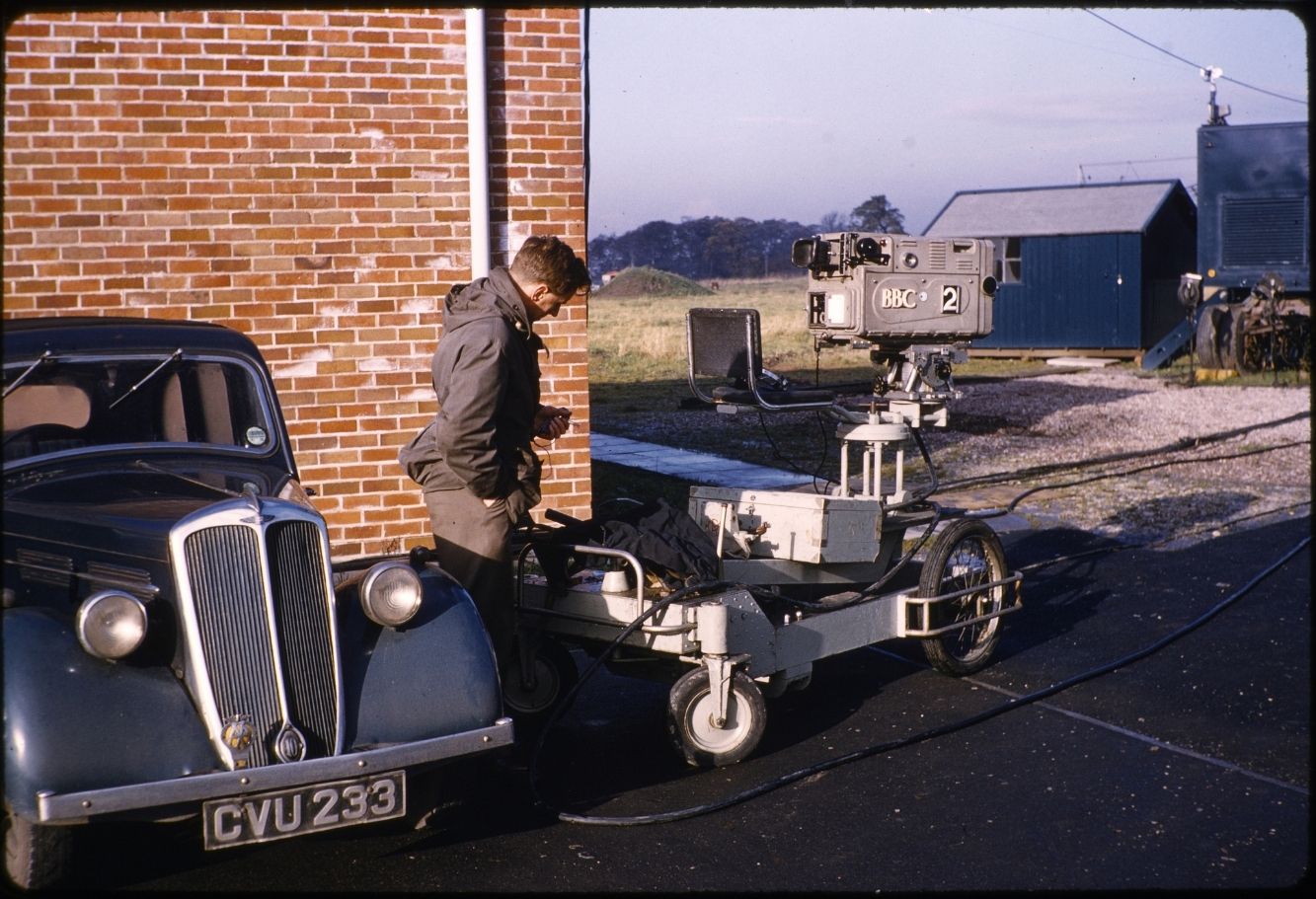
image William Young with BBC TV camera, 1959-1961 © William/Wayne Young
“The Americans were intrigued by British culture, and admired Sir Bernard’s perceived eccentricity, especially his love of cricket, which seemed to take priority over everything else, including multi-national space exploration projects. I think that admiration is what led them to agree to Sir Bernard’s request that they dig out the large pond in his garden for him. After all, they weren’t tracking space probes all the time.”
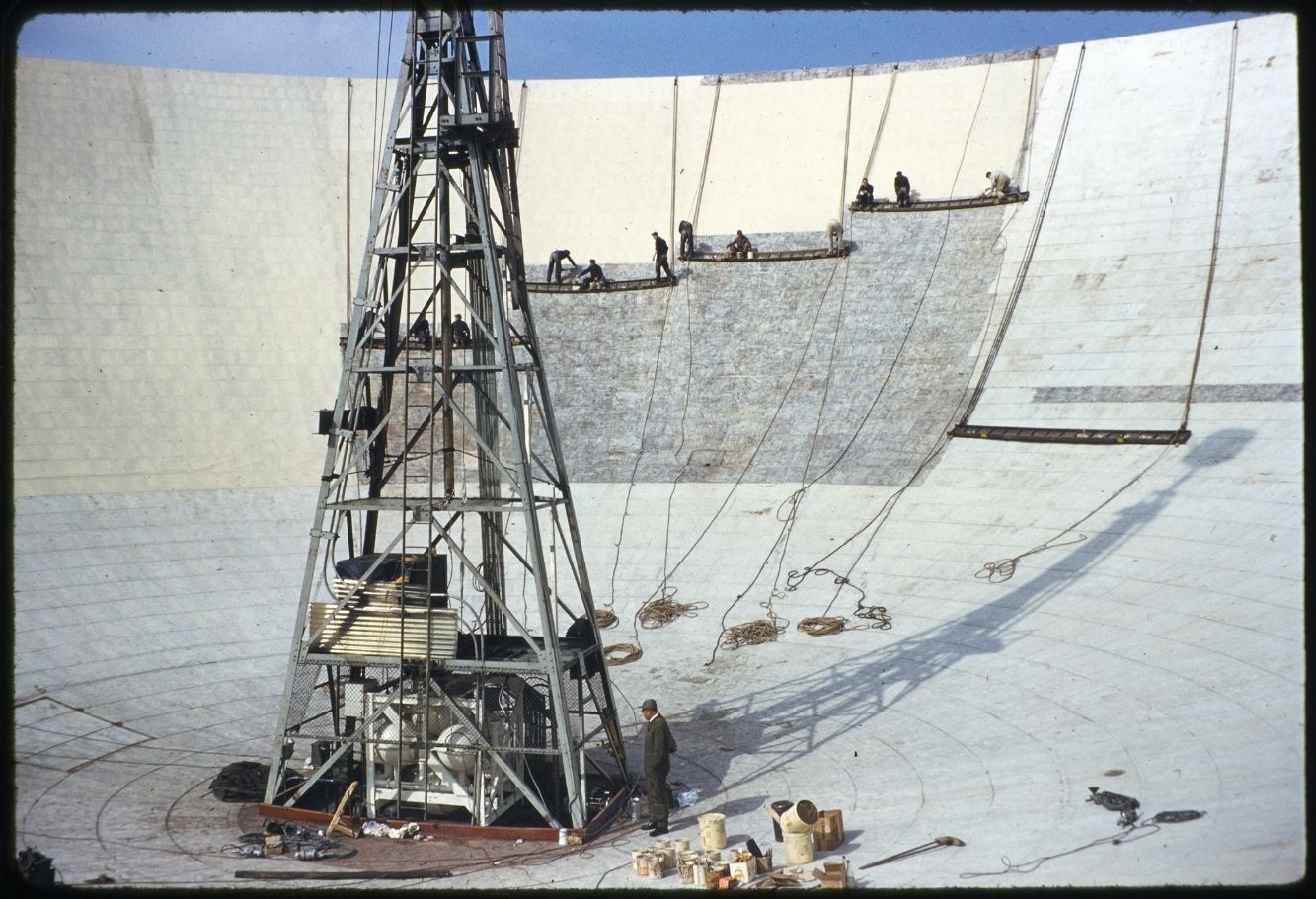
image Painting the dish. April 1959 © William/Wayne Young
“After a succession of failed attempts to send a space probe to the Moon, the American team were ordered to return home. However, Bill did not leave empty handed. During his short stay in Britain, he met my mother Valerie, who had been crowned Miss Cheshire Rose 1959. So his story, at least, had a fairy tale ending.”
More from Jodrell Bank
How curious...
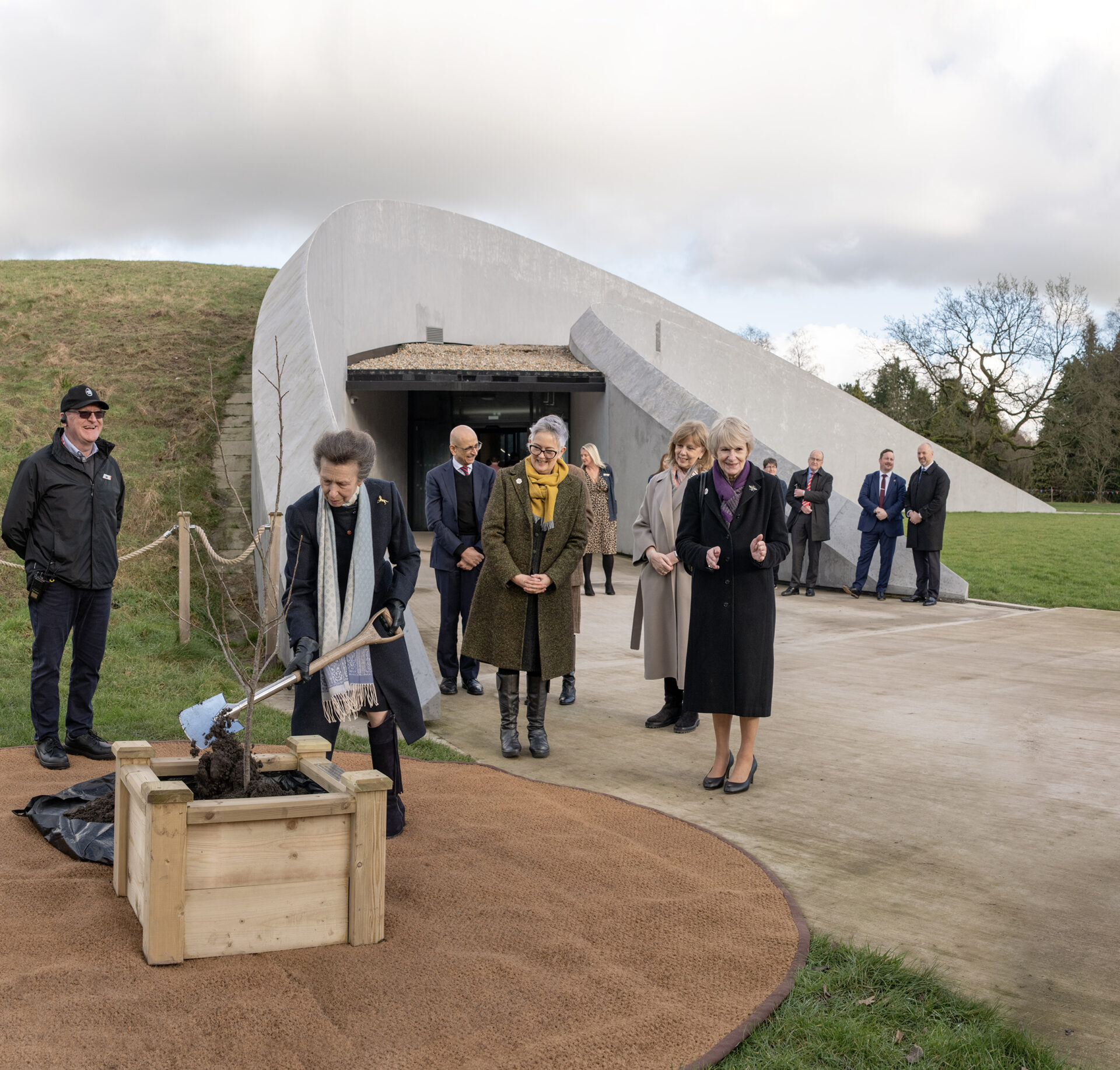
Jodrell Bank welcomes HRH The Princess Royal in celebration of UNESCO World Heritage status
Her Royal Highness The Princess Royal visited us in January to mark the occasion of Jodrell Bank Observatory being awarded UNESCO World Heritage Status in 2019.
A message of Thanks from Jodrell Bank Observatory
As a result of the recent news, we have received an extraordinary number of messages and so many heartfelt expressions of support.
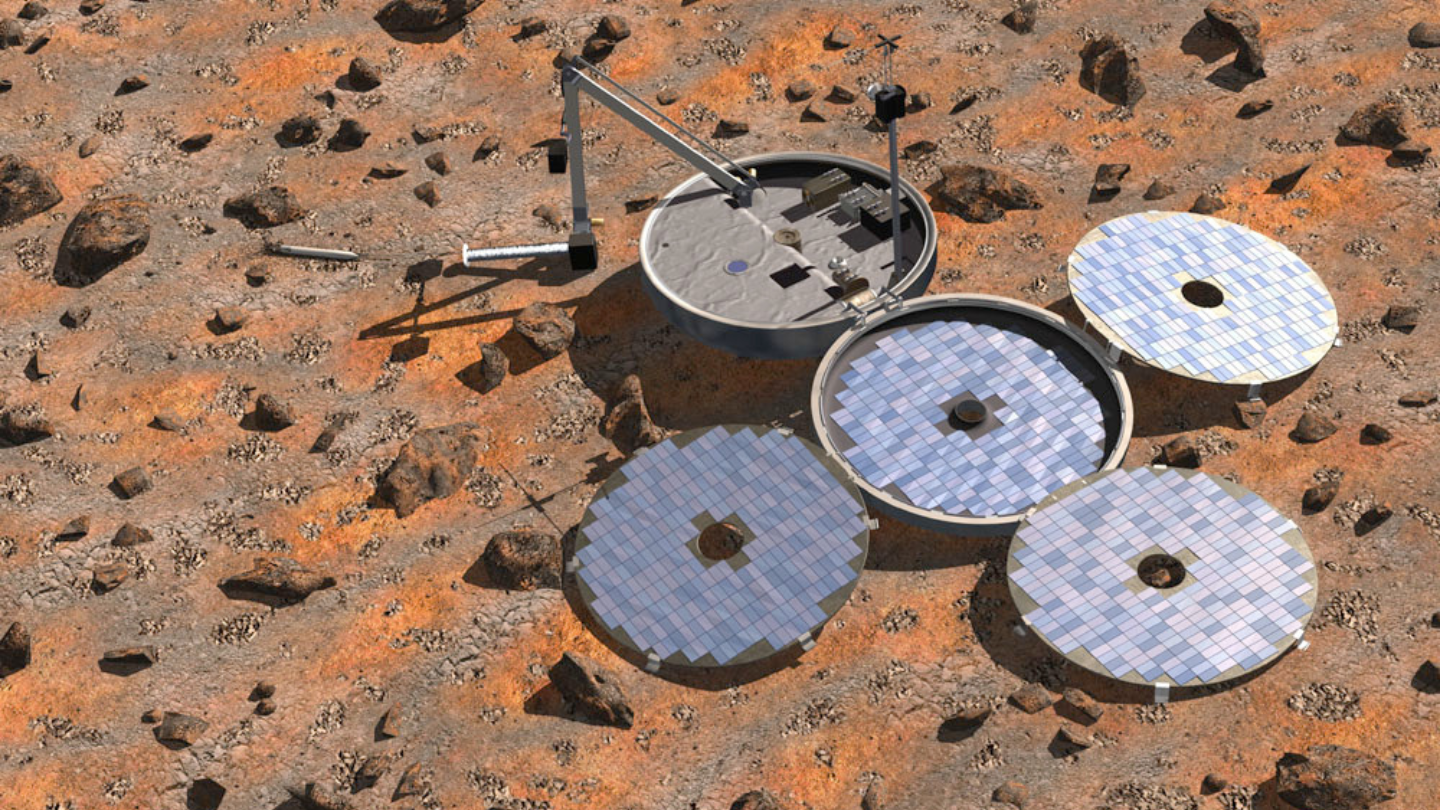
UK’s first Mars lander Honoured with commemorative plaque
Jodrell Bank is proud to host one of thirteen commemorative plaques honouring Beagle 2, the UK's first Mars lander.
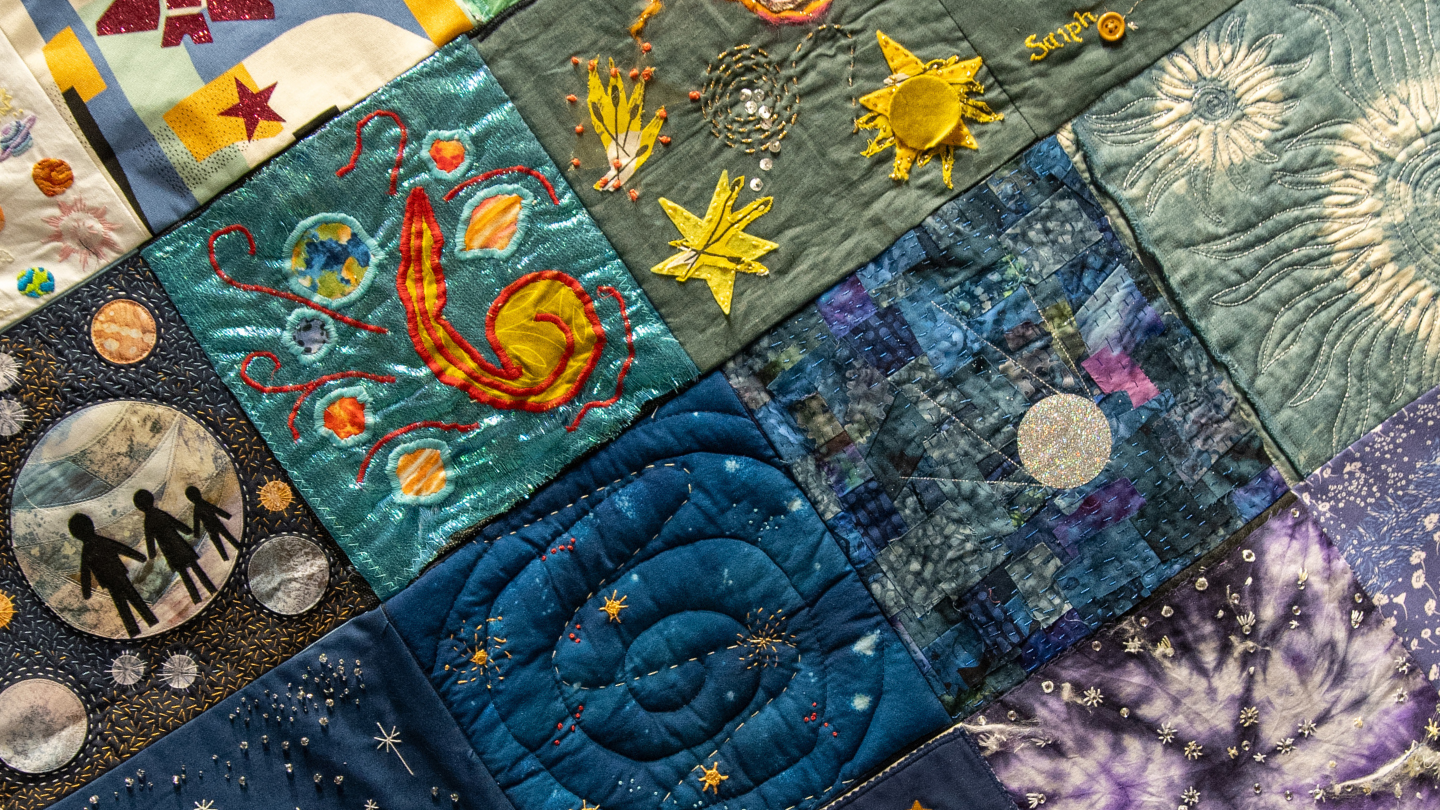
Cosmic Threads Community Quilt
To mark 80 years of Jodrell Bank, we invited the public to join us in a celebratory project, Cosmic Threads, a community quilt inspired by our heritage and discoveries.
Top tips for our new ticketing system
In January 2026, Jodrell Bank launched a brand-new online booking system designed to make launching your visit easier than ever. These quick FAQs will help you get mission-ready!
Online Tickets Update: Monday 30 March
Please note that we are making updates to our ticketing system on Monday 30 March, meaning that online ticket purchasing will be temporarily unavailable on this day.
Professor Tim O’Brien Appointed JBCE Director
The University of Manchester has appointed Professor Tim O'Brien as the new Director of the Jodrell Bank Centre for Engagement.